

OPENING HOURS
Mon – Fri: 9:00 – 5:00
Select Sat: 9:00 – 12:00
Brentwood:
(310) 477-5558
Santa Monica:
(310) 829-8701
NEW PATIENTS
New Patient
Forms and Travel
Information
CURRENT PATIENTS
Log Into
Providence Health
My Chart
SURGERY PATIENTS
Pre-Op and Post-Op
Instructions & Videos
For your Surgery
Welcome to Pacific Specialists
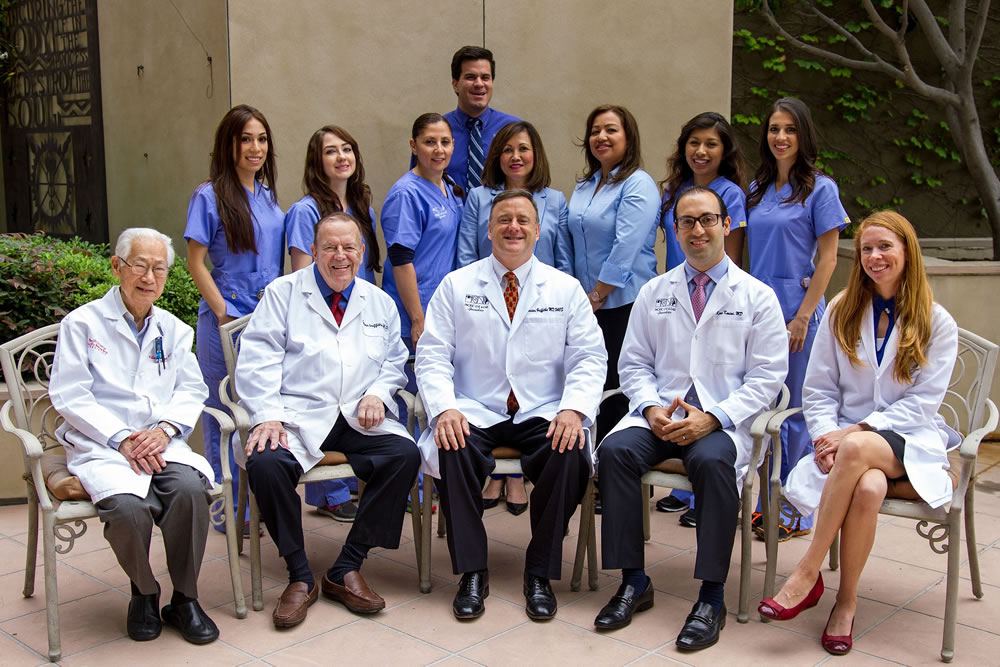
We are premier Los Angeles ENT doctors, specializing in both pediatric and adult ear, nose and throat disorders and treatment. Pacific Eye & Ear Specialists is located in the West Wilshire neighborhood of Los Angeles. Our board certified physicians provide the following cosmetic and medical treatments to our patients:
- Eye & Vision
- Nose & Sinus
- Throat & Neck
- Voice Treatment
- Audiology & Hearing
- Cosmetic Treatment & Surgery
We believe that the outcome of any consultation, surgical or non-surgical procedure should be to enhance our patients’ physical and emotional quality of life. We spend extensive time advising our patients of their options in order to create an individualized plan. Integrity and compassion are at the center of our medical practice.
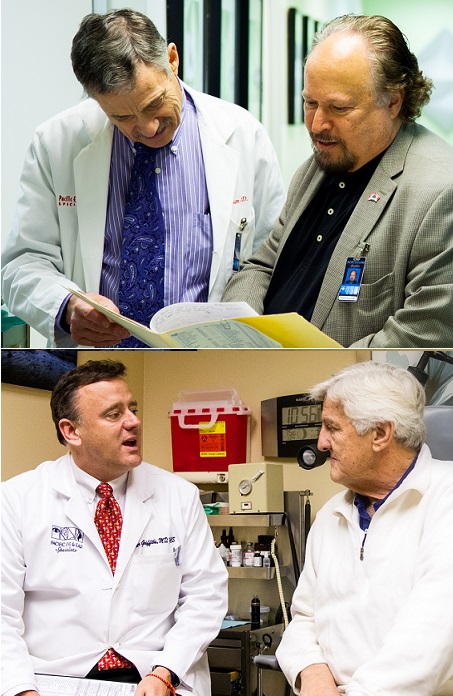
Meet Our Medical Specialists
At Pacific Eye & Ear Specialists we have a team of medical experts, including physicians and clinicians who are dedicated to providing you with the highest quality of care.
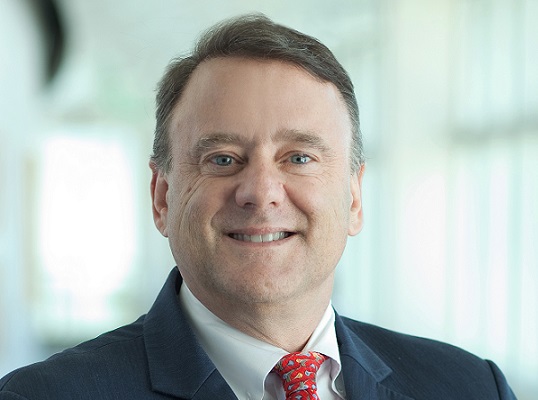
Chester Griffiths, MD, FACS
Facial Plastic Surgeon
Head and Neck Surgeon
Dr. Chester F. Griffiths entered the private practice of Otolaryngology, Head and Neck, Cosmetic and Reconstructive Surgery in Brentwood, California in 1989.
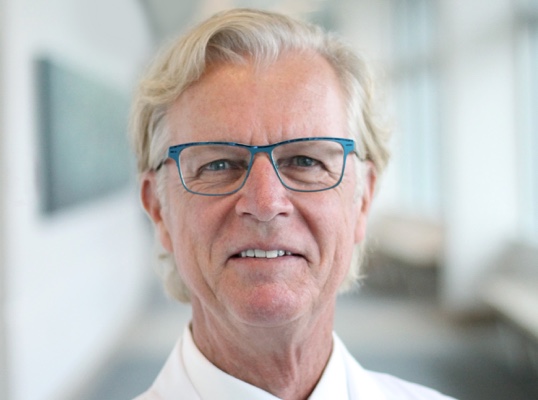
David M. Butler
Facial Plastic Surgeon
Head and Neck Surgeon
Board-certified both by the American Board of Facial Plastic and Reconstructive Surgery and the American Board of Otolaryngology, Dr. David M. Butler has been a partner of …
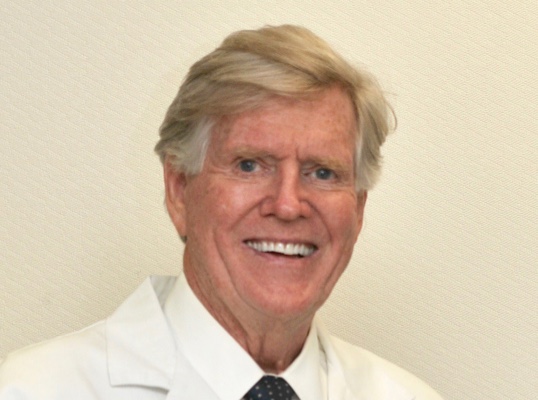
Chipp K. Miller
Otolaryngology
Head Neck Surgeon
Dr. Chipp St. Kevin Miller is a board-certified and highly esteemed Otolaryngologist with over 30 years of experience treating patients with the utmost quality of care at the Southern California
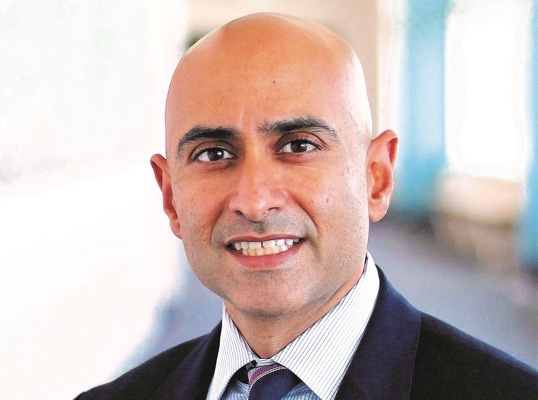
Amit Kochhar
Facial Plastic Surgeon
Head and Neck Surgeon
Dr. Amit Kochhar, MD, is double board-certified in Otolaryngology, Head and Neck Surgery and Facial Plastic and Reconstructive Surgery. He is the director of the Facial …
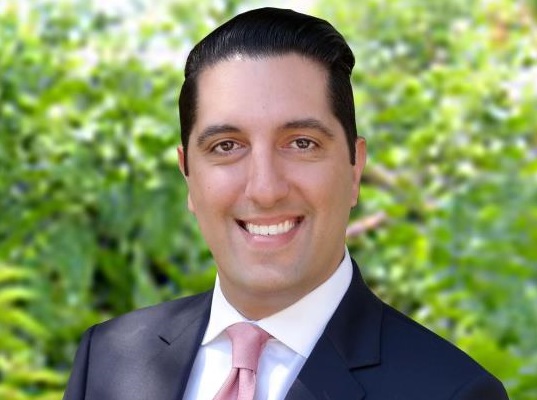
Omid Mehdizadeh
Head and Neck Surgeon
Voice & Swallowing Expert
Dr. Omid B. Mehdizadeh, a native of Los Angeles, graduated from the University of California at Berkeley with High Distinction in Molecular and Cell Biology. He received his medical degree from the UC Davis School of Medicine.
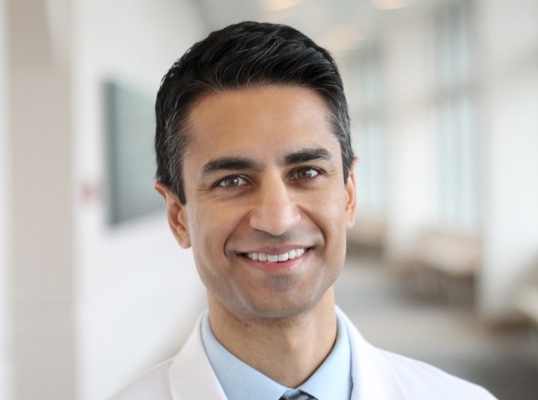
Abbas A. Anwar, MD
Otolaryngology
Head and Neck Surgery
Dr. Abbas Anwar, a native of Southern California, is a board certified otolaryngologist – head and neck surgeon, at the Pacific Eye, Ear & Skull Base Center, Pacific Neuroscience Institute …
WHAT OUR PATIENTS HAVE TO SAY ABOUT US
“6/28/20 – Dr. Chester Griffiths and his team was Amazing! This is the year of Covid and the only good thing about this year so far is Dr. Griffiths and His Team!! They were able to removed my husband’s tumor with no complications! We are very blessed to have met Dr. Griffiths and his team, they are Rock Stars of this type of surgery. I only spent 1 night in the hospital. I recovered at home! All is Good!! God bless all of you that helped us ”
R. Chien, ENT Patient
“10/4/18 – Everyone from the front desk, to the medical assistants and staff were all so friendly and thoughtful. They really do deserve the reputation they’ve earned from others. I went in for a nasal issue I’ve been dealing with for months. They were careful to diagnose my issue. The office feels modern but warm. Please give them your business and love.”
Sonny B., Nasal Patient
“8/28/20 – Dr. Karimi’s skills are unmatched. I really don’t think you can find anyone better than this doctor right here. Bedside manor unmatched. Knowledge unmatched. Conservative approach. Energy unmatched. All around a great experience. I’d waited 10 years to make the decision on the procedure. And I’m very happy with the results. Thank you Dr. Karimi!”
Darby A., Los Angeles
“9/29/20 – Dr. Griffiths has been absolutely fantastic. I flew in from Las Vegas, Nevada for my procedure and from start to finish he is definitely an expert and legend in his field. I credit Dr. Griffiths for giving me the gift of sight and I’m in better health now than I have been over the last 15 years and it’s all due to Dr. Griffiths and his expert team!”
Vincent I., Las Vegas
LATEST NEWS
Read the latest news from our office and the medical industry.
Contact Us
Send us a message by filling out your details in the form below.